
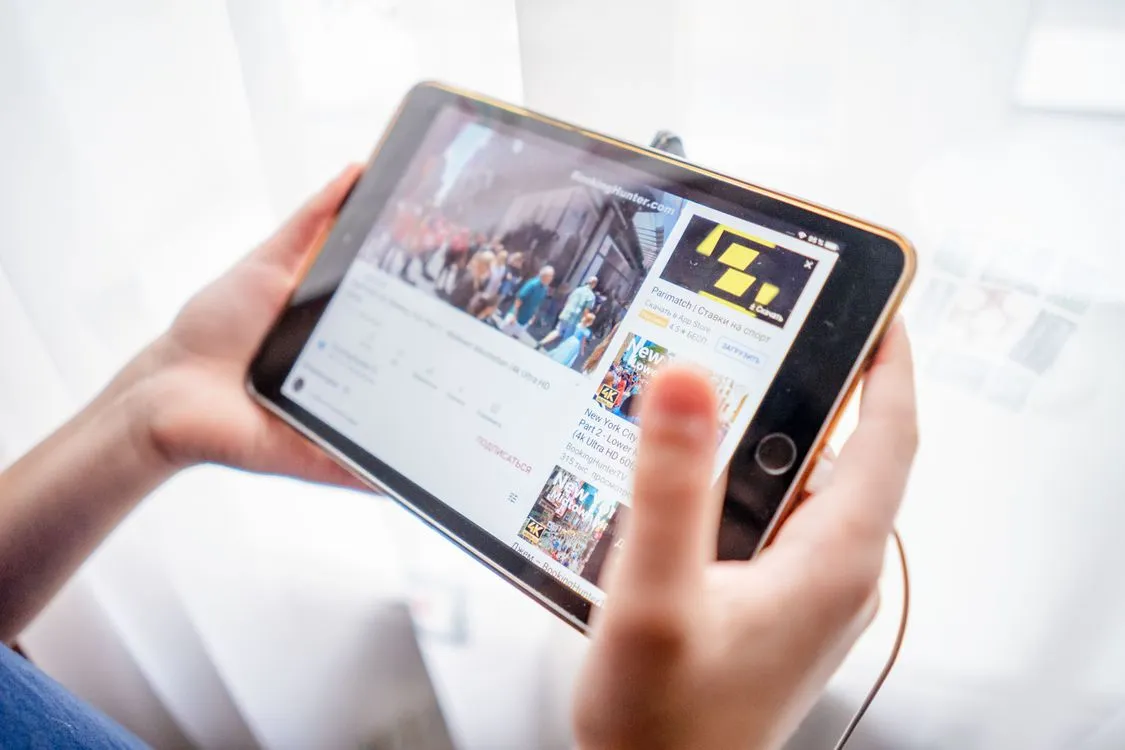
Hotels and resorts are becoming more connected in 2026. Guests now expect more than a clean room, a good view, and friendly service. They want convenience, personalization, fast access, and entertainment options that fit their trip.
Smart hospitality technology is helping properties meet those expectations. Mobile apps, connected rooms, digital payments, AI support, and automated services are changing how guests book, check in, relax, and explore. Casinos are also becoming a strong part of this modern resort experience by adding integrated entertainment, rewards, dining, and nightlife in one destination.
Mobile Check-In Is Becoming Standard
One of the biggest changes in smart hotels is the move toward mobile check-in. Guests no longer want to wait in long front desk lines after traveling. They want to confirm details, upload documents, choose rooms, and receive updates before they arrive.
Hotel apps now make this process faster. A guest can check in through a phone, receive a digital room key, and go straight to the room. This is especially useful for late arrivals, business travelers, and families who want to settle in quickly.
Mobile check-in also helps hotel staff. It reduces pressure at reception and allows teams to focus on guests who need more personal assistance. The result is smoother service for everyone.
Smart Rooms Are Improving Comfort
Smart rooms are becoming a major part of hotel design in 2026. Guests can control lighting, temperature, curtains, television, and room service through an app, tablet, or voice assistant.
This makes the room feel more personal. A guest can dim the lights, adjust the air conditioning, or request fresh towels without calling the front desk. Some hotels even allow guests to save room preferences for future visits.
These systems also help resorts manage energy use. Lights and air conditioning can adjust when a room is empty. This supports comfort while reducing waste.
For guests, the main benefit is ease. A smart room removes small tasks and helps the stay feel more relaxed.
AI Is Supporting Better Guest Service
Artificial intelligence is also shaping hospitality. Hotels are using AI chat tools to answer common questions, manage booking requests, suggest activities, and support customer service teams.
Guests can ask about breakfast hours, spa availability, transport, local attractions, or room features at any time. The AI can respond quickly, while staff handle more complex requests.
AI can also help personalize the guest experience. A resort may recommend restaurants, events, or services based on booking details and past preferences. When done well, this makes the stay feel more thoughtful without becoming intrusive.
The best hotels will use AI as support, not a replacement for human service. Guests still value warmth, judgment, and personal attention.
Digital Payments Make Resort Stays Easier
Digital payments are another major part of smart hospitality. Guests can now pay for rooms, meals, spa treatments, activities, and upgrades through cards, mobile wallets, apps, or wearable devices.
This reduces friction during the stay. A guest does not need to carry cash around the resort or sign multiple receipts. Charges can be linked to the room or managed through a secure app.
For resorts, digital payments improve tracking and reduce manual work. Staff can process transactions faster, manage accounts more clearly, and support a smoother checkout process.
Cashless systems are especially useful in large properties with many restaurants, bars, shops, pools, and entertainment areas.
Casinos Add Integrated Entertainment
Casinos complement modern resorts because they bring entertainment into the wider guest experience. A smart resort is no longer only a place to sleep. It is a full destination with dining, shows, nightlife, shopping, wellness, and gaming.
Casino resorts can connect these services through one guest account or app. A visitor may book a hotel room, reserve dinner, access rewards, check showtimes, and explore gaming options from one platform.
This makes the stay more convenient and encourages guests to enjoy more of the property. Instead of moving between separate systems, they can experience the resort as one connected destination.
Casino entertainment also appeals to travelers who want variety. Some guests may enjoy live shows and restaurants. Others may prefer lounges, gaming areas, or digital rewards. The strength of a casino resort is that it offers several experiences in one place.
Online gaming habits also influence guest expectations. Many people compare entertainment options through resources such as slot sites in the uk, which shows how convenience, variety, and easy access continue to shape casino entertainment.
Automation Helps Resorts Run Smoothly
Behind the scenes, automation is helping hotels and resorts improve daily operations. Smart systems can manage housekeeping schedules, maintenance alerts, inventory, energy use, staffing, and guest requests.
For example, a room can notify staff when it is ready for cleaning. A sensor can alert maintenance teams about an issue before a guest complains. Inventory systems can help restaurants and bars avoid shortages during busy periods.
This kind of automation improves efficiency without removing the human part of hospitality. Staff still deliver the service, but they have better information and fewer manual tasks.
In casino resorts, automation is especially useful because the property is often large and active for long hours. Connected systems help teams manage crowds, rewards, payments, and guest services more effectively.